
Installing a well pump can be a daunting task, but it is essential for those relying on private water sources. This guide will provide you with all the necessary information for a successful well pump installation. From understanding the different types of pumps to the tools required and step-by-step instructions, you’ll find everything you need to know here.
Understanding Well Pumps
A well pump is a critical component of a well system, responsible for bringing water from underground sources to the surface for household use. Understanding the different types of well pumps is crucial for selecting the right one for your needs. The most common types of well pumps include:
- Submersible Pumps: Designed to be submerged in water, these pumps are ideal for deeper wells. They are efficient and capable of delivering water through a system of pipes to your home.
- Jet Pumps: Typically used for shallower wells, jet pumps can be installed above ground and use suction to draw water up. They are easier to install but less efficient for deeper applications.
- Hand Pumps: Although less common today, hand pumps are still valuable for backup or emergency situations. They are simple mechanical devices that don’t require electricity but can be labor-intensive.
Tools and Materials Needed
Before beginning your well pump installation, gather the following tools and materials:
- Drill and drill bits
- PVC pipe and fittings
- Wrench and pliers
- Voltage tester
- Submersible pump or jet pump
- Discharge pipe
- Pressure tank (if required)
- Electrical wiring
- PVC cement and primer
- Safety gear (gloves, goggles)
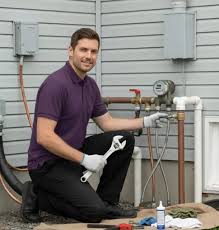
Step-by-Step Installation Process
1. Determine the Type of Pump Needed
Ensure you choose the right pump based on the depth of your well and the volume of water required. Consult with a professional or refer to specific product guidelines to make the appropriate selection.
2. Prepare the Installation Site
Clear the area around the well for easy access. You’ll need ample space for the pump and any associated equipment, such as a pressure tank. Make sure the ground is level and stable to support the pump.
3. Install the Pump
Follow the manufacturer’s instructions for the selected pump. For submersible pumps:
- Connect the pump to the discharge pipe, ensuring all seals are tight.
- Lower the pump into the well using a rope or cable. Be cautious to avoid kinks or twists in the cable.
- Attach the discharge pipe to the well casing and secure it in place. Ensure that the pipe rises above ground level to prevent contamination.
4. Setup the Pressure Tank (if needed)
If your system requires a pressure tank, install it close to the point where the water exits the ground. Follow the manufacturer’s guidelines for setting up the tank, paying close attention to the pressure settings. The tank helps maintain consistent water pressure while reducing wear on the pump.
5. Electrical Connections
Electrical work should only be performed by qualified electricians to ensure safety and compliance with local codes. Set up the wiring from the pump to the power source, adhering to safety standards for waterproof connections. Install a disconnect switch close to the pump for easy access.
6. Test the System
Before finishing, test the entire system for leaks and proper function:
- Turn on the power and check for proper operation of the pump.
- Monitor the pressure and ensure water flows correctly from the discharge line.
- Look for signs of leaks at all connection points.
Maintenance Tips for Well Pumps
To prolong the lifespan of your well pump and ensure efficient operation, regular maintenance is crucial. Here are some essential maintenance tips:
- Check Water Quality: Regularly test the water for contaminants to ensure it’s safe for consumption.
- Inspect Electrical Connections: Periodically check electrical wiring and connections for wear and corrosion.
- Monitor Pressure Tank: Keep an eye on the pressure settings and ensure the tank remains properly charged.
- Perform Regular Servicing: Schedule professional servicing annually, especially before peak usage seasons.
Common Issues and Troubleshooting
Even with proper installation and maintenance, issues can arise. Here are some common problems and their potential solutions:
- Pump Won’t Start: Check the power supply, fuses, and circuit breakers. Ensure that the disconnect switch is operational.
- Low Water Pressure: This could be caused by a clogged filter or a leak in the system. Check for blockages or repair leaks promptly.
- No Water: Possible issues include a burned-out pump, power failure, or an empty well. Investigate each cause to determine the solution.
Conclusion
Proper well pump installation ensures reliable access to water from your well. By selecting the right pump, following installation guidelines, and maintaining the system, you can enjoy a steady supply of clean water for years to come. Remember, if you are ever unsure about any aspect of installation or maintenance, it’s always best to consult with professionals who can provide expert advice.