
Forex Trading for Beginners: A Comprehensive Guide
Forex trading, or foreign exchange trading, involves buying and selling currency pairs. For beginners, this might seem overwhelming, but with the right information and resources, anyone can become a competent trader. In this guide, we will break down the essential concepts, strategies, and tools you need to embark on your Forex trading journey. Additionally, we recommend looking into reputable brokers, such as the forex trading for beginners Best Indonesian Brokers, to kickstart your trading experience effectively.
What is Forex Trading?
Forex trading refers to the exchange of one currency for another in the global marketplace. The primary goal is to benefit from the fluctuations in currency values. Since the forex market operates 24 hours a day, five days a week, traders have ample opportunities to participate in trades across different time zones and market sessions.
Understanding Currency Pairs
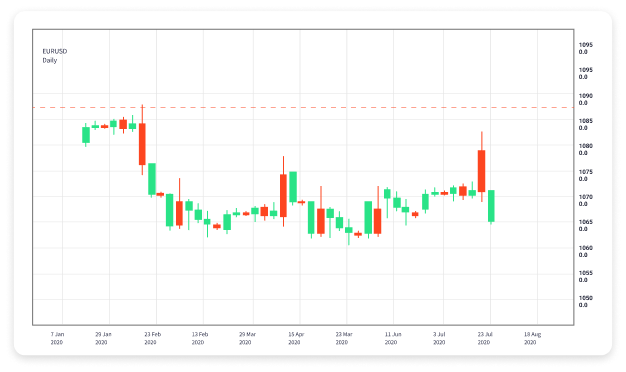
In Forex, currencies are traded in pairs. For instance, if you trade the EUR/USD pair, you are effectively trading the Euro against the US Dollar. The first currency in the pair (EUR) is called the base currency, while the second one (USD) is the quote currency. The exchange rate indicates how much of the quote currency you need to spend to buy one unit of the base currency.
Types of Currency Pairs
There are three main types of currency pairs:
- Major pairs: These pairs include the most traded currencies, such as USD, EUR, GBP, and JPY. Examples include EUR/USD and USD/JPY.
- Minor pairs: These pairs do not include the US dollar but involve other major currencies. Examples include EUR/GBP and AUD/NZD.
- Exotic pairs: These pairs consist of a major currency paired with a currency from a developing country. An example is USD/THB (Thai Baht).
How to Start Trading Forex
Starting your journey in Forex trading involves several steps:
- Educate Yourself: Understand the basics of Forex market mechanics, terminology, and trading strategies. Numerous online resources, courses, and trading communities can help.
- Choose a Broker: A reliable broker will provide you with a trading platform, educational resources, and customer support. Be sure to check their regulatory status and reviews.
- Practice with a Demo Account: Before investing real money, it is wise to practice with a demo account. This allows you to familiarize yourself with the trading platform and test your strategies without financial risk.
- Develop a Trading Plan: A trading plan outlines your strategy, risk tolerance, and financial goals. It will guide your decision-making process and help you stay disciplined.
- Start Trading with Real Money: Once you feel confident, you can transition to a live account. Start with a small investment and gradually increase your exposure as you gain experience.
Key Strategies for Beginners
As a beginner, it’s crucial to adopt effective trading strategies to enhance your chances of success. Here are a few popular strategies to consider:
1. Scalping
Scalping involves making numerous trades in a short period to profit from small price changes. This strategy requires significant market knowledge and a quick decision-making process.
2. Day Trading
This strategy involves buying and selling positions within the same day. Day traders seek to capitalize on short-term market movements and typically close all positions before the market closes.
3. Swing Trading
Swing trading aims to capture price movements over several days or weeks. Traders analyze market trends and technical indicators to identify favorable entry and exit points.
4. Position Trading
Position trading is a long-term strategy where traders hold positions for an extended period, ranging from weeks to years. This approach requires a deep understanding of the fundamentals of the currencies being traded.
Understanding Technical and Fundamental Analysis
To make informed trading decisions, you must use technical and fundamental analysis:
Technical Analysis
This refers to analyzing price charts and market trends to predict future price movements. Techniques include studying patterns, support and resistance levels, and various technical indicators, such as moving averages and RSI (Relative Strength Index).
Fundamental Analysis
Fundamental analysis involves evaluating economic indicators, geopolitical events, and news releases that can impact currency values. Understanding interest rates, inflation rates, and employment data can provide valuable insights into market movements.
The Importance of Risk Management
In Forex trading, risk management is essential for long-term success. Here are a few key principles:
- Only invest what you can afford to lose: Begin with a small amount to minimize potential losses as you learn.
- Use stop-loss orders: Implement stop-loss orders to limit potential losses on trades by automatically closing a position when it reaches a specific price.
- Diversify your portfolio: Avoid putting all your capital into one trade or currency pair. Diversification reduces risk and can help smooth out returns over time.
Conclusion
Forex trading can be an exciting and potentially lucrative venture for beginners. By thoroughly educating yourself, developing a solid trading plan, practicing effective strategies, and managing risk carefully, you can increase your chances of success in this dynamic market. Remember that patience and discipline are key traits for any successful trader, so take your time to learn and grow before diving into live trading. Happy trading!