Exploring the historical evolution of gambling practices across cultures
Origins of Gambling in Ancient Civilizations
Gambling has deep roots in human history, with evidence tracing back to ancient civilizations. Archaeological findings suggest that the earliest forms of gambling can be found in Mesopotamia, where dice made from animal bones were used. These artifacts indicate that games of chance were not merely pastimes but also served important social and religious functions. Players today can find a similar sense of community online, particularly through sites like https://angelhomecareconsultancy.co.uk/.

Similarly, in ancient China, gambling was woven into the fabric of society. The Chinese developed various games involving betting on outcomes, and these activities often accompanied festive occasions. This cultural significance laid the foundation for gambling practices that would evolve over the centuries, reflecting the values and beliefs of the people.
The Role of Gambling in Medieval Societies
During the medieval period, gambling became more organized, often associated with nobility and the elite. Tournaments and contests featured betting, showcasing not only valor but also fortune. The practice was a way for aristocrats to display their wealth, and it often took on a competitive spirit that engaged the masses.
Meanwhile, in Europe, the church grappled with gambling’s moral implications, leading to a complex relationship between gambling and society. Some regions attempted to regulate or ban gambling altogether, while others embraced it, reflecting the divided opinions on its ethical status during this time.
Colonial Influences on Gambling Practices
As empires expanded, so did gambling practices, often blending indigenous traditions with those of colonizers. In America, Native American tribes engaged in their unique forms of gambling long before European settlers arrived. These games were not merely entertainment; they often played a crucial role in tribal customs and ceremonies.
Colonial settlers brought their own gambling traditions, leading to the establishment of lotteries and betting houses. This fusion created a rich tapestry of gambling practices, which varied widely depending on local cultures and regulations. Over time, the allure of gambling continued to grow, leading to the development of more formalized gaming establishments.
Modern Gambling: Regulation and Globalization
The 20th century marked a significant shift in gambling practices, characterized by increased regulation and the rise of casinos. Governments recognized the potential economic benefits and began to establish legal frameworks for gambling operations. This transition not only legitimized the industry but also opened the door for significant advancements in technology and accessibility.
As globalization took hold, gambling practices began to cross borders more freely. The advent of the internet revolutionized the landscape, enabling online casinos to flourish. Players from various cultures could engage with diverse forms of gambling, creating a global community that shared strategies, experiences, and innovations in gaming.
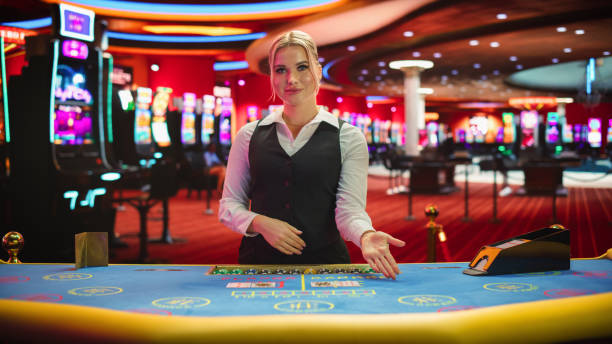
Exploring No Verification Casinos
In today’s digital age, the emergence of no verification casinos has transformed the gambling experience. These platforms provide players with the opportunity to enjoy games without the lengthy processes of identity verification. This innovation caters to those seeking privacy and a streamlined gaming experience, reflecting a growing demand for anonymity in online transactions. The common notion that these casinos compromise security is one of the many gambling myths debunked through proper understanding.
As players navigate this evolving landscape, comprehensive insights into the advantages and disadvantages of no verification casinos are essential. Understanding the implications of privacy options and the variety of games available empowers players to make informed decisions. This new wave of online gambling offers a blend of accessibility and excitement, shaping the future of gambling practices across cultures.